
CME Level I in Uzbekistan: therapists from four Central Asian countries
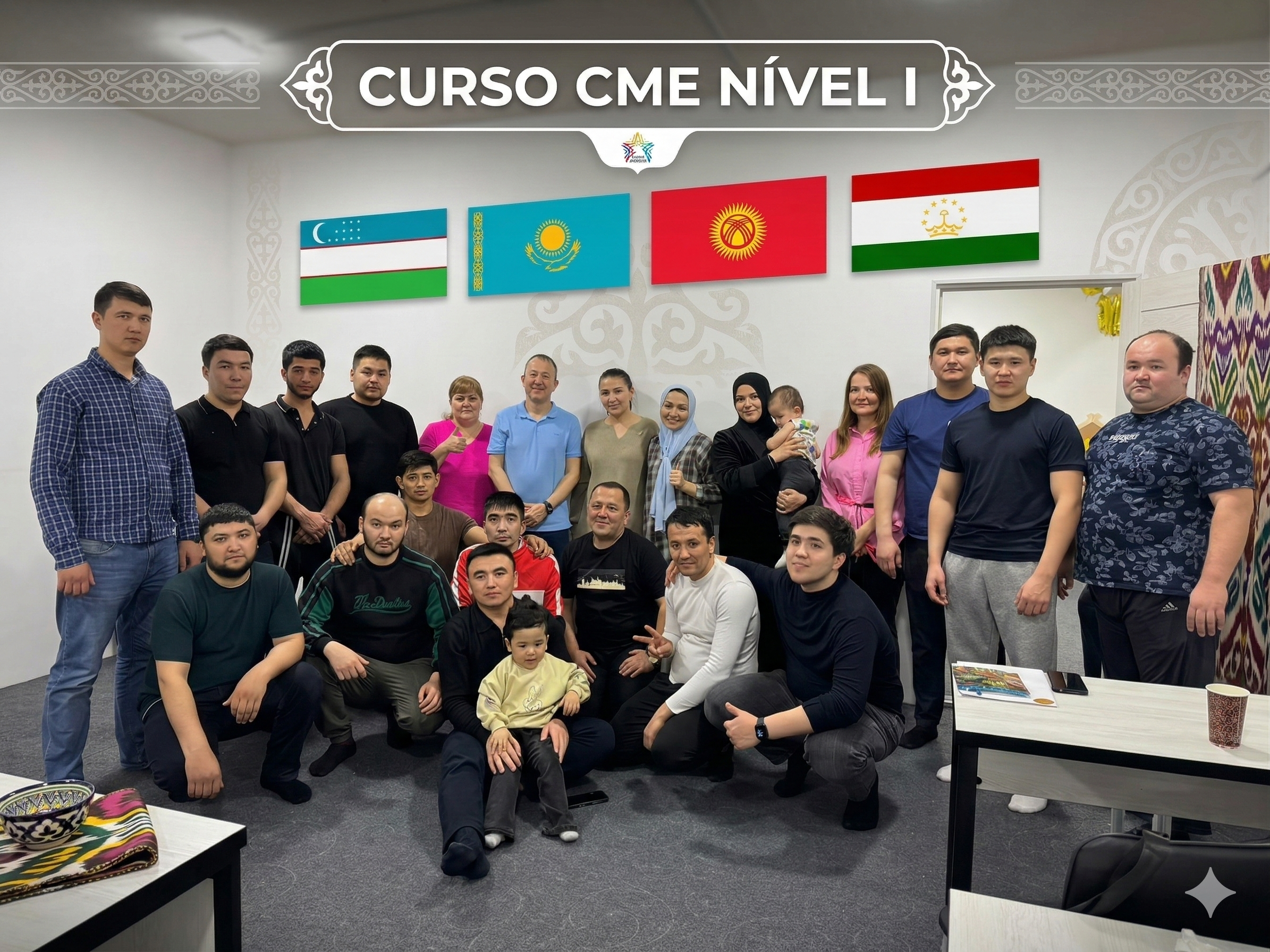
The international expansion of CME – Cuevas Medek Exercise continues to advance, reaching new regions of the world through Centro CB’s Level IV Therapist, Cristiano Becker. This time, another significant step was taken in Central Asia, with the training of a new cohort for the CME Level I Course in Uzbekistan.
The group brought together 14 physical therapists from various countries in the region, including Uzbekistan, Kazakhstan, Kyrgyzstan, and Tajikistan. This diversity underscores the growing interest in the CME method within countries that are seeking effective therapeutic approaches for children’s motor development.
An important step in the training of new therapists CME
The CME Level I course represents the first major step for professionals who wish to gain a deep understanding of the principles behind the method developed by Ramón Cuevas. During the training, students are introduced to the clinical reasoning that underpins the method, learning to analyze a child’s motor development and apply specific stimuli that elicit active motor responses.
Unlike approaches based on passive movements, CME utilizes dynamic and progressive stimuli, aiming to trigger natural motor responses in the child and stimulate their capacity for motor adaptation.
Throughout the training, participants gain direct experience with:
-
Assessment of pediatric motor development
-
Fundamental principles of CME
-
Therapeutic manual support techniques specific to the method
-
Therapeutic progressions and the analysis of motor responses
-
Supervised practical application
This foundation is essential for therapists to develop the clinical reasoning required to progress within the method, eventually enabling them to advance to higher levels of training.
An international community united by a common purpose
One of the most notable aspects of this cohort was the cultural and professional diversity of the participants. Therapists from various countries in Central Asia shared their experiences, clinical challenges, and the distinct realities of their respective healthcare systems.
This exchange strengthens the CME community, which currently brings together professionals across several continents with a shared goal: to transform the lives of children with motor delays and neurological conditions by offering increasingly effective interventions.
Expansion of CME in Central Asia
The growing interest from professionals in countries such as Kazakhstan, Kyrgyzstan, and Tajikistan demonstrates how CME is gaining international recognition. As new therapists are trained, more children and families gain access to a therapeutic approach rooted in clinical evidence, clinical reasoning, and tangible functional progress.
For Cristiano Becker and Centro CB, supporting and participating in this international expansion goes beyond simply conducting courses. It is about contributing to the development of professionals committed to clinical excellence and to making a real impact on the lives of families.
The beginning of a new professional journey
For these 14 new students, completing CME Level I marks only the start of their journey with the method. The next steps involve deepening their clinical knowledge, applying the principles they have learned to their daily practice, and continuing their training through subsequent levels.
Each newly trained therapist represents more opportunities for early intervention, higher-quality treatment, and greater hope for families around the world.
Centro CB congratulates all the participants in this cohort and hopes that this is merely the first stage of a career dedicated to pediatric motor development and therapeutic excellence.
Automatic translation of the original article. Read the Portuguese original